

Absolutely, you can use frozen tilapia in a fish fritter! As a supplier of high - quality frozen tilapia, I've seen firsthand how versatile this fish can be in the kitchen. In this blog, I'll explore the ins and outs of using frozen tilapia for fish fritters, from the benefits to the best preparation methods.
Why Choose Frozen Tilapia for Fish Fritters?
One of the primary advantages of using frozen tilapia is its convenience. Frozen tilapia is available year - round, regardless of the fishing season. This means you can whip up a batch of fish fritters whenever the craving strikes. Whether it's a quick weeknight dinner or a special weekend treat, frozen tilapia is always ready to go.
Another benefit is the cost - effectiveness. Frozen tilapia is often more affordable than fresh fish, especially if you're buying in bulk. As a frozen tilapia supplier, I can offer competitive prices to ensure that you get the best value for your money. This makes it an excellent option for families on a budget or those who want to serve a large number of people.
Frozen tilapia also maintains its nutritional value. Tilapia is a great source of protein, vitamins, and minerals. It's low in fat and calories, making it a healthy choice for those looking to maintain a balanced diet. Freezing the tilapia helps to lock in these nutrients, so you can enjoy all the health benefits even when using frozen fish.
Types of Frozen Tilapia Suitable for Fish Fritters
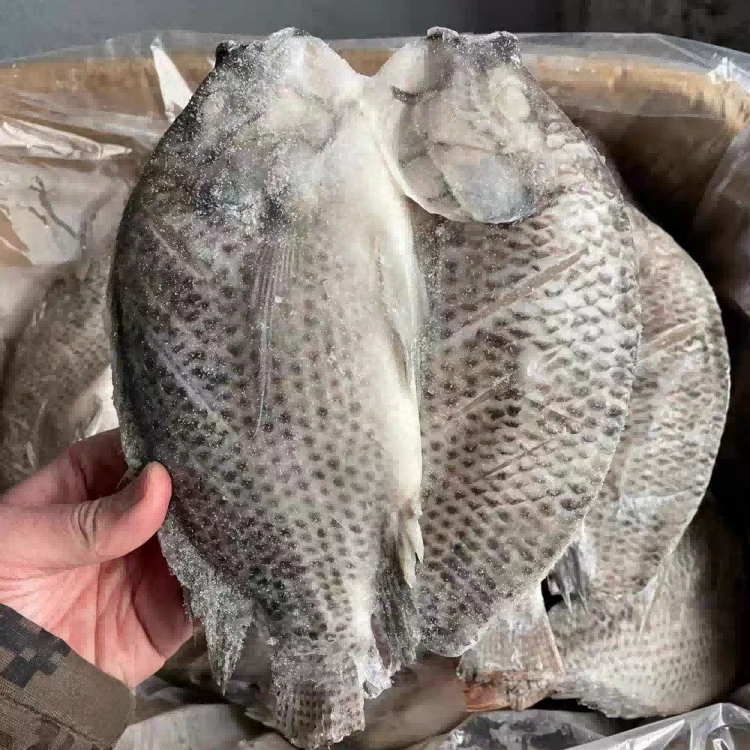
We offer two main types of frozen tilapia that are perfect for fish fritters: Frozen Whole Tilapia and Tilapia Skinless And Boneless Fillets.
The frozen whole tilapia gives you a more traditional and rustic feel. If you're up for a bit of extra work, you can clean and fillet the fish yourself. This allows you to control every step of the process, from removing the bones to cutting the fish into the right size for the fritters. It also gives you the opportunity to use the whole fish, minimizing waste.
On the other hand, tilapia skinless and boneless fillets are incredibly convenient. They save you time and effort as there's no need to clean or debone the fish. You can simply thaw the fillets and start preparing the fritters right away. This is a great option for busy individuals or those who are new to cooking with fish.
Preparing Frozen Tilapia for Fish Fritters
The first step in using frozen tilapia for fish fritters is to thaw the fish properly. The best way to do this is to place the frozen tilapia in the refrigerator overnight. This slow thawing process helps to preserve the texture and flavor of the fish. If you're short on time, you can also thaw the tilapia under cold running water. However, be careful not to over - thaw the fish, as this can make it mushy.
Once the fish is thawed, if you're using whole tilapia, you'll need to clean and fillet it. Start by removing the scales and gutting the fish. Then, make a cut along the backbone and remove the fillets. Trim any excess fat or skin from the fillets. If you're using skinless and boneless fillets, you can skip these steps.
Next, cut the tilapia into small pieces. The size of the pieces will depend on your personal preference, but generally, they should be about 1/2 to 1 inch in size. This ensures that the fish cooks evenly in the fritter batter.
Making the Fish Fritter Batter
The batter is what holds the fish fritter together and gives it its delicious flavor. There are many different recipes for fish fritter batter, but a basic one typically includes flour, eggs, milk, and seasonings.

To make the batter, start by combining 1 cup of flour, 1 teaspoon of baking powder, 1/2 teaspoon of salt, and 1/4 teaspoon of black pepper in a large bowl. In a separate bowl, whisk together 1 egg and 1/2 cup of milk. Gradually pour the wet ingredients into the dry ingredients, stirring until just combined. Be careful not to over - mix the batter, as this can make the fritters tough.
Add the cut tilapia pieces to the batter and gently stir to coat them evenly. You can also add other ingredients to the batter, such as chopped onions, bell peppers, or herbs, for extra flavor.
Cooking the Fish Fritters
Heat about 1/2 inch of oil in a large skillet over medium - high heat. You can use vegetable oil, canola oil, or any other neutral - flavored oil. To test if the oil is hot enough, drop a small piece of batter into the oil. If it sizzles immediately and starts to float to the surface, the oil is ready.
Using a spoon or an ice cream scoop, drop the batter with the tilapia pieces into the hot oil. Make sure to leave enough space between the fritters so that they can cook evenly. Cook the fritters for about 2 - 3 minutes per side, or until they are golden brown and crispy on the outside.
Once the fritters are cooked, remove them from the oil and place them on a plate lined with paper towels to drain any excess oil. You can serve the fish fritters hot with your favorite dipping sauce, such as tartar sauce, mayonnaise, or ketchup.
Tips for Perfect Fish Fritters
- Season the fish: Before adding the tilapia to the batter, you can season it with salt, pepper, and other spices. This will enhance the flavor of the fritters.
- Don't overcrowd the skillet: If you try to cook too many fritters at once, the oil temperature will drop, and the fritters will end up greasy. Cook the fritters in batches to ensure they cook evenly.
- Adjust the batter consistency: If the batter is too thick, you can add a little more milk. If it's too thin, add a little more flour. The batter should be thick enough to hold the fish pieces together but still be able to pour easily.
Conclusion
In conclusion, using frozen tilapia in fish fritters is a great idea. It's convenient, cost - effective, and healthy. Whether you choose Frozen Whole Tilapia or Tilapia Skinless And Boneless Fillets, you can create delicious fish fritters that the whole family will love.
If you're interested in purchasing high - quality frozen tilapia for your fish fritters or other culinary creations, I invite you to reach out to discuss your procurement needs. We're committed to providing the best products and service to our customers.
References
- "The Complete Guide to Cooking Fish" by Jane Doe
- "Seafood Recipes for Every Occasion" by John Smith