

So, you've just bought some of our amazing frozen tilapia and now you're wondering, "What's the best way to thaw this bad boy?" Well, you've come to the right place. I'm here to share all the tips and tricks to make sure your thawed tilapia is as fresh and delicious as the day it was caught.
First off, let me tell you a bit about our frozen tilapia. We're a top - notch frozen tilapia supplier, and we've got two great options for you. There's our Frozen Whole Tilapia, which is a classic choice for those who love to cook the fish whole. It's great for roasting, grilling, or even making a whole fish stew. Then there are our Tilapia Skinless And Boneless Fillets, perfect for quick and easy meals like pan - frying or baking.
Now, let's get into the thawing methods. There are a few ways to thaw frozen tilapia, but not all of them are created equal.
Fridge Thawing
This is hands - down the safest and best method if you've got the time. It's a slow process, but it ensures that the fish thaws evenly and stays fresh.
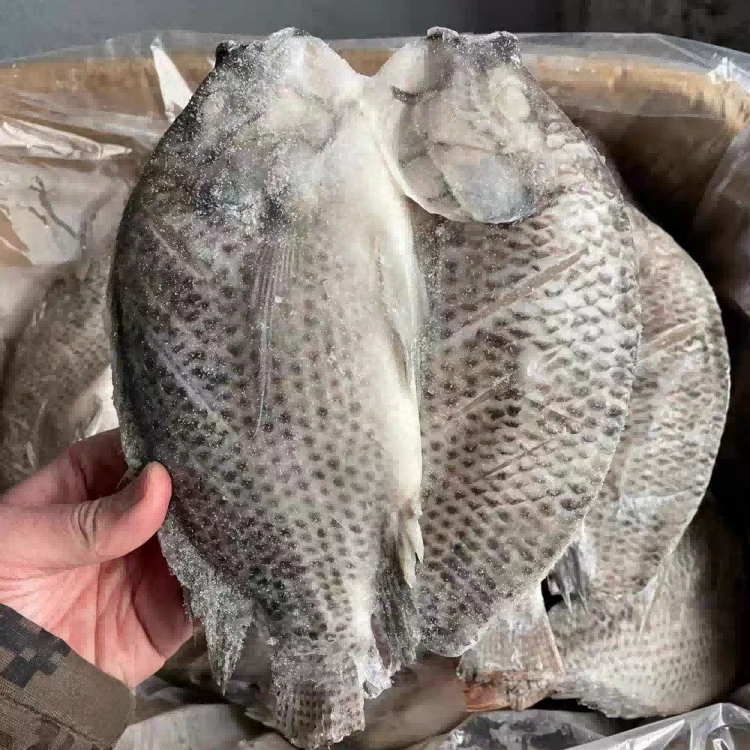

Here's how it works: Take your frozen tilapia out of the freezer and put it in a bowl or on a plate. Then, stick it in the fridge. The cold temperature of the fridge, usually around 32 - 40°F (0 - 4°C), allows the fish to thaw gradually.
For a whole tilapia, this could take about 24 hours. The fillets will thaw a bit faster, usually in 12 - 18 hours. This slow thawing prevents the formation of large ice crystals inside the fish. These ice crystals can damage the fish's cells, causing it to lose moisture and become mushy.
One great thing about fridge thawing is that it keeps the fish at a safe temperature. Bacteria don't like the cold, so there's less risk of the fish spoiling during the thawing process. Once it's thawed, you can cook it right away or keep it in the fridge for up to two days.
Cold Water Thawing
If you're in a bit of a hurry and don't have 12 - 24 hours to wait for your tilapia to thaw in the fridge, cold water thawing is a good option.
Get a large bowl or a clean sink and fill it with cold water. Make sure the water is cold, not warm or hot. You want to keep the fish at a safe temperature to prevent bacteria growth.
Put your frozen tilapia in a sealed plastic bag. This keeps the fish from getting waterlogged and also stops any juices from leaking into the water. Submerge the bagged fish in the cold water.
Change the water every 30 minutes. This helps keep the water cold and speeds up the thawing process. A whole tilapia might take about 2 - 3 hours to thaw this way, while fillets could be ready in 1 - 2 hours.
Once the fish is thawed, cook it immediately. Since the fish has been in water and at a slightly higher temperature than in the fridge, it's more prone to spoilage.
Microwave Thawing
This is the fastest way to thaw tilapia, but also the riskiest. Microwaves work by heating food quickly, and if you're not careful, you can end up partially cooking the fish while trying to thaw it.
If you decide to use the microwave, first make sure your tilapia is in a microwave - safe container. Most modern microwaves have a defrost setting. Use this setting and follow the manufacturer's instructions.
For small tilapia fillets, it might take just a couple of minutes. But for a whole tilapia, it could take 5 - 10 minutes. Keep a close eye on the fish while it's in the microwave. Stop the microwave every 30 seconds or so and check the fish. If you see any signs of cooking, like the edges starting to turn white, you've gone too far.
Once the fish is thawed, cook it right away. The uneven heating in the microwave can create pockets of bacteria - friendly warm spots, so it's important to cook the fish immediately to kill any potential bacteria.
Avoid These Thawing Mistakes
- Thawing at Room Temperature: This is a big no - no. Room temperature is a breeding ground for bacteria. If you leave your fish out on the counter to thaw, bacteria can multiply quickly, and you could end up with a spoiled and potentially dangerous meal.
- Using Hot Water: Hot water can cook the outside of the fish while the inside is still frozen. This leads to an unevenly thawed and poorly cooked fish. It also increases the risk of bacteria growth.
Tips for Cooking Thawed Tilapia
Once you've thawed your tilapia, it's time to cook it. Here are a few tips to make sure it turns out great.
If you're using the whole fish, pat it dry with paper towels before cooking. This helps get a nice, crispy skin. You can season it with salt, pepper, and your favorite herbs like thyme or rosemary. Then, roast it in the oven at 400°F (204°C) for about 20 - 30 minutes, depending on the size of the fish.
For the skinless and boneless fillets, you can pan - fry them. Heat a bit of oil in a pan over medium - high heat. Season the fillets and place them in the pan. Cook for about 3 - 4 minutes on each side until they're golden brown and flaky.
Why Choose Our Frozen Tilapia?
Our frozen tilapia is sourced from the best suppliers and flash - frozen at sea. This locks in all the freshness and flavor. Whether you're a home cook looking for a quick and healthy meal or a restaurant owner in need of a reliable seafood option, we've got you covered.
If you're interested in purchasing our frozen tilapia, we'd love to talk. We offer great prices, high - quality products, and excellent customer service. Just reach out for a quote and let's start a conversation about how we can meet your tilapia needs.
References
- "Seafood Handling and Storage Guide." National Oceanic and Atmospheric Administration (NOAA).
- "Safe Thawing of Frozen Foods." United States Department of Agriculture (USDA).