

When it comes to comfort food, few dishes can rival the creamy, cheesy goodness of mac and cheese. And what if we take this classic dish to the next level by adding oysters? The idea of oyster mac and cheese might sound a bit unconventional, but it's a combination that brings together the richness of cheese, the heartiness of pasta, and the briny flavor of oysters. As a supplier of frozen oysters, I often get asked whether frozen oysters can be used in this decadent dish. Let's dive into the details.
The Basics of Using Frozen Oysters
Frozen oysters are a convenient option for home cooks and professional chefs alike. They offer the same delicious flavor as fresh oysters but with the added benefit of a longer shelf - life. When properly frozen, oysters retain much of their nutritional value and taste.
One of the key concerns when using frozen oysters in any recipe is the texture. Freezing can cause some changes in the texture of oysters. Oysters are made up of a high percentage of water, and when this water freezes and then thaws, it can lead to a slightly softer texture compared to fresh oysters. However, this doesn't necessarily mean they are unsuitable for oyster mac and cheese.
Thawing Frozen Oysters
The first step in using frozen oysters in oyster mac and cheese is to thaw them properly. Improper thawing can result in a loss of flavor and a mushy texture. The best way to thaw frozen oysters is to place them in the refrigerator overnight. This slow thawing process allows the oysters to defrost evenly and helps retain their natural juices.
If you're short on time, you can also thaw frozen oysters under cold running water. Place the oysters in a sealed plastic bag and submerge them in a bowl of cold water. Change the water every 30 minutes until the oysters are thawed. Avoid using warm or hot water to thaw oysters, as this can cause the oysters to cook partially and lead to an uneven texture.
Flavor and Compatibility
Oysters have a distinct briny flavor that pairs surprisingly well with the creamy, cheesy sauce in mac and cheese. The saltiness of the oysters can balance out the richness of the cheese, creating a more complex and well - rounded flavor profile.
When using frozen oysters, it's important to note that the freezing process can sometimes intensify the briny flavor slightly. You may want to taste a thawed oyster before adding them to your mac and cheese and adjust the seasoning of the sauce accordingly. If the oysters are particularly salty, you can reduce the amount of salt you add to the cheese sauce.
Types of Frozen Oysters
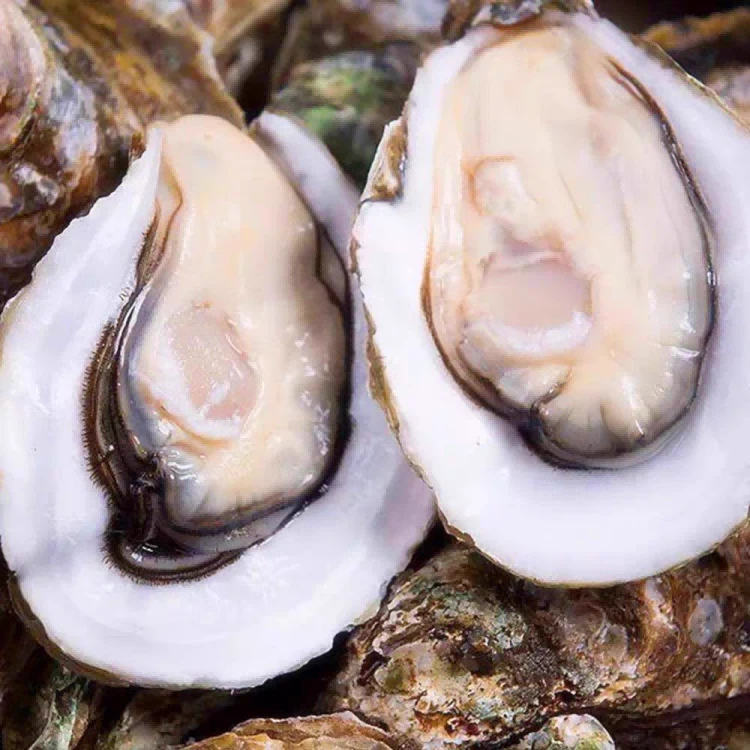
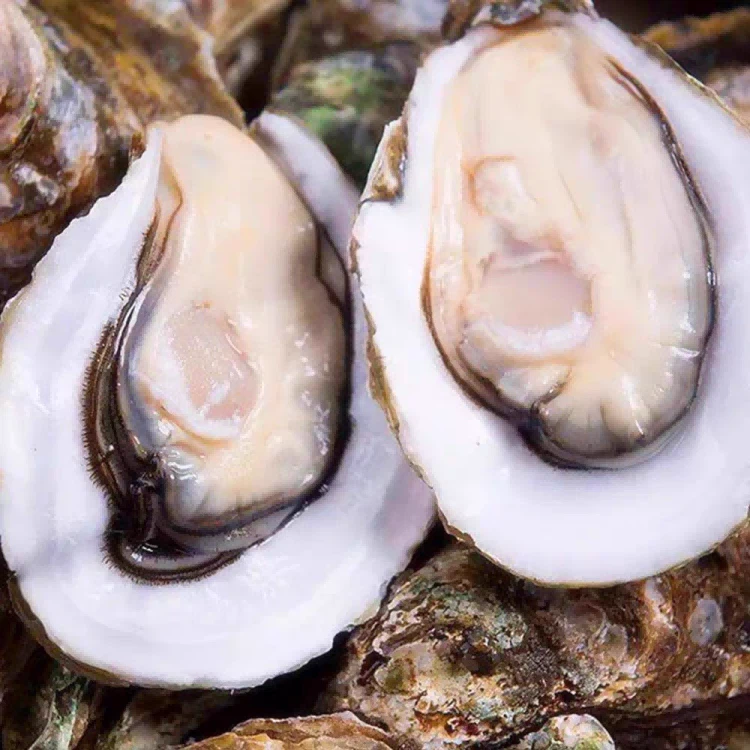
There are different types of frozen oysters available, and each can bring a unique element to oyster mac and cheese. For example, Frozen Half Shell Oyster can add a bit of visual appeal to the dish. You can place the oysters on top of the mac and cheese before baking, creating an elegant presentation.
On the other hand, frozen shucked oysters are more convenient for mixing into the mac and cheese. They can be easily incorporated into the cheese sauce, ensuring that every bite has a bit of oyster flavor. Freezing Oysters in Shell also provides useful information on how oysters are frozen and stored, which can give you a better understanding of the product you're using.
Preparing the Mac and Cheese
Now, let's talk about how to prepare oyster mac and cheese using frozen oysters. Here's a basic recipe:
Ingredients:
- 1 pound of elbow macaroni
- 1 pound of frozen oysters, thawed
- 4 tablespoons of butter
- 4 tablespoons of all - purpose flour
- 2 cups of milk
- 2 cups of shredded cheddar cheese
- 1 cup of shredded mozzarella cheese
- Salt and pepper to taste
- 1/4 cup of breadcrumbs
- 2 tablespoons of chopped fresh parsley
Instructions:
- Preheat your oven to 375°F (190°C). Cook the elbow macaroni according to the package instructions until al dente. Drain and set aside.
- In a large saucepan, melt the butter over medium heat. Add the flour and whisk continuously for about 2 minutes to make a roux.
- Slowly pour in the milk, whisking constantly to prevent lumps from forming. Cook the sauce for about 5 - 7 minutes, or until it thickens.
- Add the shredded cheddar and mozzarella cheeses to the sauce and stir until the cheeses are melted and the sauce is smooth. Season with salt and pepper.
- Gently fold the thawed oysters and the cooked macaroni into the cheese sauce.
- Transfer the oyster mac and cheese to a 9x13 - inch baking dish. Sprinkle the breadcrumbs on top and bake for about 25 - 30 minutes, or until the top is golden brown and bubbly.
- Garnish with chopped fresh parsley before serving.
Tips for a Perfect Oyster Mac and Cheese
- Drain the oysters: After thawing the oysters, make sure to drain them well. Excess liquid from the oysters can make the mac and cheese too soupy.
- Layer the ingredients: If you're using half - shell oysters, you can layer them on top of the mac and cheese for a more impressive presentation.
- Add other flavors: You can enhance the flavor of the oyster mac and cheese by adding other ingredients such as bacon, caramelized onions, or a splash of white wine to the cheese sauce.
Conclusion
In conclusion, frozen oysters can absolutely be used in oyster mac and cheese. With proper thawing and preparation, they can bring a delicious and unique twist to this classic comfort food. Whether you're a home cook looking to try something new or a professional chef looking to add an interesting dish to your menu, oyster mac and cheese made with frozen oysters is a great option.
As a supplier of frozen oysters, we are committed to providing high - quality products that meet the needs of our customers. Our frozen oysters are sourced from the best oyster beds and are carefully processed to ensure maximum freshness and flavor. If you're interested in purchasing our frozen oysters for your oyster mac and cheese or any other recipes, please feel free to contact us for more information and to start a procurement discussion.
References
- "Seafood Cooking Basics" by The Seafood Health Facts Team
- "The Science of Cooking Seafood" by Harold McGee