

Hey there! I'm a supplier of frozen tilapia, and I've been in this business for quite a while. You know, over the years, I've gotten a lot of questions from customers about how our frozen tilapia impacts the environment. So, I thought I'd sit down and write this blog to share what I've learned.

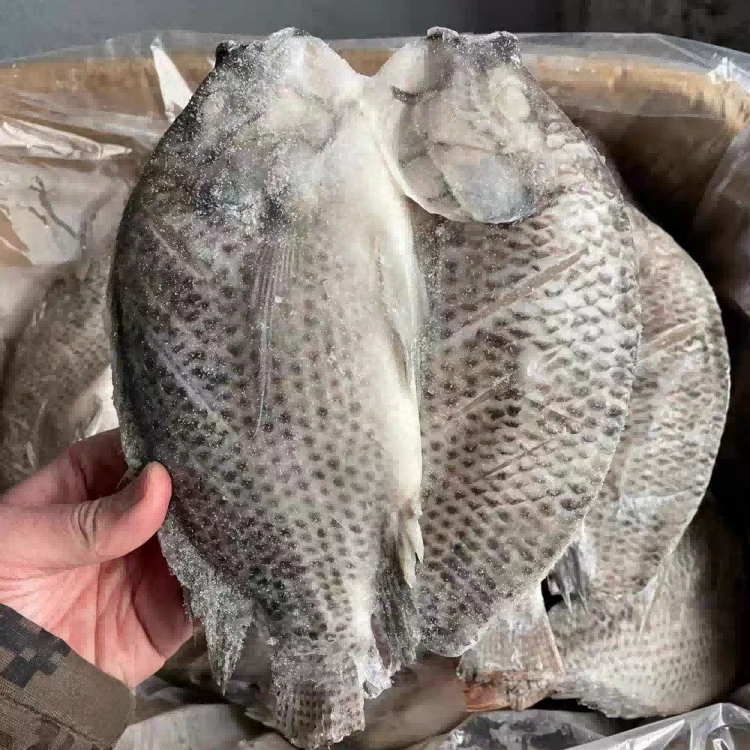
First off, let's talk about tilapia farming. Tilapia is one of the most commonly farmed fish in the world. It's popular because it grows fast, can adapt to different environments, and is relatively easy to raise. But like any form of agriculture, fish farming has its environmental pros and cons.
On the positive side, tilapia farming can actually help reduce pressure on wild fish populations. With the increasing demand for seafood, wild fish stocks are being overfished at an alarming rate. By farming tilapia, we're providing an alternative source of fish that doesn't rely on catching fish from the wild. This is a big win for marine biodiversity. For instance, if more people choose to buy Tilapia Skinless And Boneless Fillets from farms, it means fewer wild fish are being caught to meet the market demand.
Another advantage of tilapia farming is that it can be more efficient in terms of land and water use compared to some other forms of animal agriculture. Tilapia can be raised in relatively small ponds or tanks, and they convert feed into body mass quite efficiently. This means that less land and water are needed to produce the same amount of protein compared to, say, beef or pork farming.
However, there are also some environmental challenges associated with tilapia farming. One of the main issues is water pollution. Tilapia farms produce a lot of waste, including uneaten feed, fish feces, and chemicals used to treat diseases. If this waste isn't managed properly, it can end up in nearby water bodies, causing eutrophication. Eutrophication is when there's an overabundance of nutrients in the water, which can lead to algal blooms. These algal blooms can deplete oxygen in the water, killing other aquatic life.
To address this problem, many tilapia farms are now implementing better waste management practices. For example, some farms use recirculating aquaculture systems (RAS). In a RAS, the water from the fish tanks is continuously filtered and treated to remove waste and reuse it. This not only reduces water pollution but also conserves water.
Another concern is the use of antibiotics and chemicals in tilapia farming. To prevent and treat diseases, farmers sometimes use antibiotics and other chemicals. If these substances are overused or not used correctly, they can end up in the environment and have negative impacts on other organisms. Some antibiotics can also contribute to the development of antibiotic-resistant bacteria, which is a major public health concern.
To tackle this issue, responsible tilapia farmers are following strict guidelines on the use of antibiotics and chemicals. They're also focusing on preventive measures, such as improving water quality and providing a healthy diet for the fish, to reduce the need for these substances.
Now, let's talk about the impact of freezing and transporting tilapia. Freezing is an important step in the process of supplying frozen tilapia. It helps to preserve the quality and freshness of the fish, allowing us to distribute it to different parts of the world. However, the freezing process requires a significant amount of energy. Refrigeration systems use electricity, and if the electricity is generated from non-renewable sources, it can contribute to greenhouse gas emissions.
To reduce the environmental impact of freezing, some suppliers are investing in more energy-efficient refrigeration technologies. For example, using advanced insulation materials and energy-saving compressors can significantly reduce energy consumption.
Transporting frozen tilapia also has an environmental footprint. Whether it's by truck, ship, or plane, the transportation of frozen goods requires fuel, which releases greenhouse gases. To minimize this impact, we can look at optimizing transportation routes and using more fuel-efficient vehicles. For instance, shipping by sea is generally more fuel-efficient than air freight, so for long-distance transportation, choosing sea freight can be a more environmentally friendly option.
As a frozen tilapia supplier, I'm committed to minimizing the environmental impact of our products. We work closely with our farmers to ensure that they follow sustainable farming practices. We also strive to use energy-efficient technologies in our freezing and storage facilities and optimize our transportation routes.
If you're a buyer interested in purchasing our frozen tilapia, whether it's Tilapia Skinless And Boneless Fillets or Frozen Whole Tilapia, we'd love to have a chat with you. We can discuss how our products are sourced and processed in an environmentally responsible way.
In conclusion, while frozen tilapia has both positive and negative impacts on the environment, there are ways to mitigate the negative effects. By promoting sustainable tilapia farming practices, using energy-efficient technologies, and optimizing transportation, we can ensure that our frozen tilapia is not only delicious but also environmentally friendly. So, if you're looking for a high - quality and sustainable source of frozen tilapia, don't hesitate to reach out. Let's work together to make a positive impact on the environment while enjoying great seafood.
References
- FAO. (2022). The State of World Fisheries and Aquaculture 2022.
- Naylor, R. L., et al. (2000). Effect of aquaculture on world fish supplies. Nature, 405(6790), 1017 - 1024.
- Subasinghe, R. P., et al. (2009). Aquaculture in the Third Millennium. FAO Fisheries and Aquaculture Technical Paper No. 510.