

Hey there, seafood lovers! As a supplier of frozen oysters, I often get asked about the health risks associated with eating these delicious bivalves straight from the freezer. So, I thought I'd sit down and have a chat with you all about it.
First off, let's talk about what makes oysters so great. Oysters are a nutritional powerhouse. They're loaded with protein, vitamins like vitamin D, vitamin B12, and minerals such as zinc, iron, and selenium. Zinc is super important for our immune system, and vitamin B12 is crucial for maintaining healthy nerve cells and making DNA. Plus, they're low in fat and calories, making them a great choice for those watching their weight.
Now, onto the big question: are there any health risks? Well, like any food, there are some potential risks, but with proper handling and storage, these risks can be minimized.
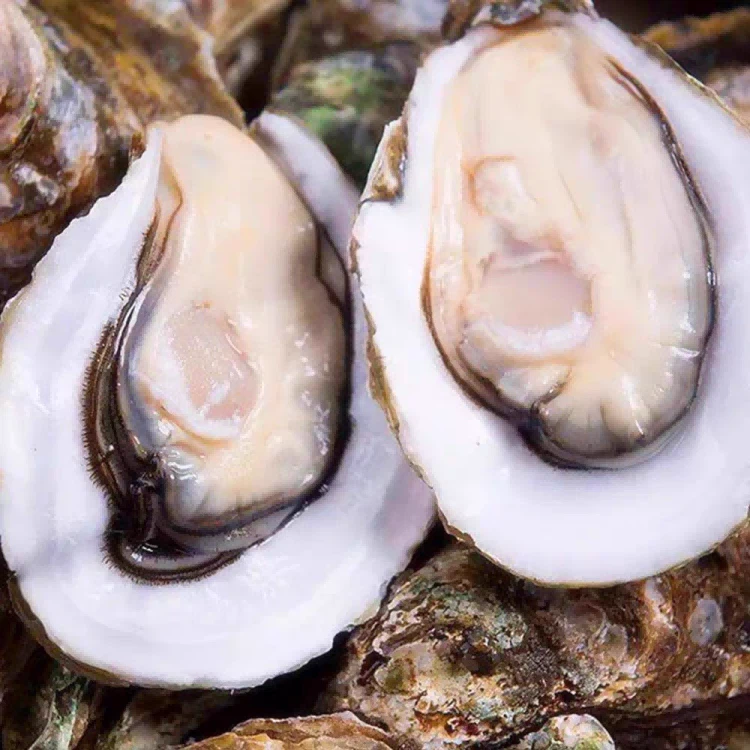
One of the main concerns with oysters, whether fresh or frozen, is the presence of harmful bacteria and viruses. Oysters are filter feeders, which means they take in water and filter out food particles. Unfortunately, this also means they can accumulate bacteria and viruses present in the water, like Vibrio vulnificus and norovirus.
Vibrio vulnificus is a type of bacteria that can cause serious illness, especially in people with weakened immune systems, liver disease, or diabetes. Symptoms can include diarrhea, vomiting, abdominal pain, and in severe cases, it can lead to bloodstream infections and even death. Norovirus, on the other hand, is a highly contagious virus that causes gastroenteritis, with symptoms like nausea, vomiting, diarrhea, and stomach cramps.
But here's the good news. Freezing oysters can actually help reduce the risk of these pathogens. When you freeze oysters at a proper temperature (usually around -18°C or 0°F), it slows down or stops the growth of bacteria and viruses. However, it's important to note that freezing doesn't completely kill all of them. Some hardy bacteria and viruses can survive the freezing process, so proper cooking is still essential.
If you're buying frozen oysters from a reputable supplier (hint: like me!), you can be more confident in their safety. Reputable suppliers follow strict quality control measures to ensure that the oysters are harvested from clean waters and processed in a hygienic environment. They also use proper freezing techniques to preserve the quality and safety of the oysters.
When it comes to thawing frozen oysters, it's crucial to do it correctly. The best way to thaw oysters is in the refrigerator overnight. This slow thawing process helps maintain the texture and flavor of the oysters and reduces the risk of bacterial growth. Avoid thawing oysters at room temperature or in warm water, as this can promote the growth of bacteria.
Another thing to keep in mind is that some people may be allergic to oysters. Shellfish allergies are quite common, and symptoms can range from mild itching and hives to severe anaphylaxis, which is a life - threatening allergic reaction. If you have a shellfish allergy, it's obviously best to avoid oysters altogether.
Now, let's talk about the different types of frozen oysters I offer. I have Freezing Oysters in Shell, which are great if you want to have that authentic oyster - shucking experience at home. These oysters are frozen in their natural shells, preserving their freshness and flavor. And then there are Frozen Half Shell Oyster, which are already shucked and ready to be cooked or eaten raw (if you're confident in their safety).
If you're planning to cook frozen oysters, there are plenty of delicious recipes you can try. You can make oyster stew, fry them up for a crispy treat, or even bake them with some garlic and parmesan for a decadent appetizer. Cooking oysters to an internal temperature of at least 145°F (63°C) for 15 seconds is recommended to kill any potential pathogens.
In conclusion, while there are some potential health risks associated with eating frozen oysters, these risks can be managed with proper handling, storage, and cooking. As a supplier, I'm committed to providing you with the highest quality frozen oysters that are safe to eat. Whether you're a seasoned oyster lover or just looking to try something new, I've got you covered.
If you're interested in purchasing our frozen oysters, don't hesitate to reach out for a procurement discussion. I'm always happy to answer any questions you may have and help you find the perfect oysters for your needs.
References
- Centers for Disease Control and Prevention (CDC). "Vibrio vulnificus."
- Food and Drug Administration (FDA). "Seafood: What You Need to Know."
- Mayo Clinic. "Shellfish allergy."